Understanding Compression Garment Stages: What to Wear and When
If you’re preparing for cosmetic or reconstructive surgery, you’ve probably heard your doctor mention Stage 1 or Stage 2 compression garments. But what do these terms really mean? How do you choose the right faja for each step of recovery, and why do you actually need more than one?
In this medical-grade guide, we break down the recovery timeline stage by stage so you know exactly what to wear, when to transition, and how to choose the right fit for optimal results.
Stage 1 Compression: Right After Surgery
When to wear it: Immediately after your procedure and for the first 0–2 weeks
The Recovery Reality: Stage 1 compression garments are designed to support your body during the most sensitive, acute part of recovery. At this stage, your body is dealing with intense swelling, fluid retention, and fresh incisions.
Because you are tender and mobility is limited, your Stage 1 garment needs to prioritize easy access and medical-grade protection.
What to look for in a premium Stage 1 garment:
-
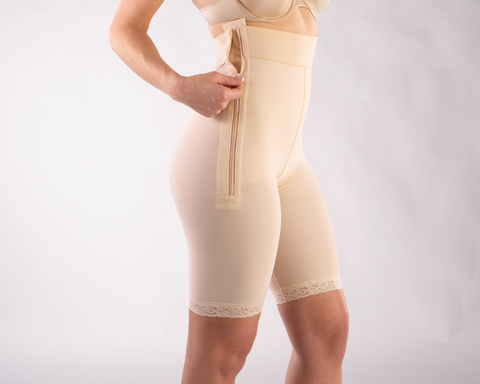
Front-Hook or Zipper Closures: You should never have to struggle or pull a garment over fresh incisions. Look for adjustable front closures that allow you to modify the fit as initial fluid drains.
-
Accessible Crotch Designs: Essential for using the restroom without removing the entire garment.
-
Breathable, Antimicrobial Fabric: Keeps incisions clean and dry to prevent irritation.
🛒 Pro-Tip for Surgery Prep: You cannot wash your Stage 1 faja while wearing it, and you must wear it 24/7. We highly recommend purchasing two Stage 1 garments so you always have a clean, fresh one to wear on laundry day.
For Abdominal Procedures & Tummy Tucks: View our medical-grade Stage 1 Abdominal Binders and Girdles.
For Full Body Contour / Added Coverage: View our Stage 1 Fajas with Sleeves
👉 Explore All Stage 1 Garments
Stage 2 Compression: The Sculpting Phase
When to wear it: Around 2–6 weeks post-op (or as advised by your doctor)
The Recovery Reality: As the initial surgical fluid drains and acute swelling decreases, your skin needs to adhere beautifully to your new contours. This is where your results are truly defined. This is exactly when to wear a Stage 2 faja.
Stage 2 garments offer much higher, firmer compression than Stage 1. Because your incisions are closed and you are moving more freely, these garments are engineered to act as a high-performance sculpting layer.
What makes a superior Stage 2 garment:
-
A Sleeker, Seamless Fit: Designed without bulky zippers or front hooks so it remains completely invisible under your regular daily outfits.
-
Maximum Abdominal Panel Control: Offers targeted compression to flatten the midsection and prevent late-stage fluid pockets.
-
Total Comfort: Completely lace-free fabric constructions to ensure there is zero digging, rubbing, or skin indentation on your sensitive, healing tissue.
🛒 Ready to transition? Do not lose your progress by staying in a loose Stage 1 garment for too long.
Find Your Sculpting Fit: Browse our high-performance Stage 2 Bodysuits and Mid-Thigh Girdles.
👉 Browse our Stage 2 Collection
Stage 3 Compression: Long-Term Maintenance (Optional)
When to wear it: After your doctor gives the green light—typically beyond week 8
The Recovery Reality: While Stage 3 is an optional phase and not a distinct medical category that requires a specialized product line, many patients choose to transition to standard everyday shapewear at this point.
Even months after a tummy tuck or liposuction, residual swelling can flare up after long days on your feet, travel, or workouts. While you no longer need medical-grade surgical compression, wearing high-quality, flexible body shapers during these activities keeps your core supported and protects your surgical investment.
🛒 Pro-Tip: Many patients find that our highly versatile Stage 2 garments double beautifully as long-term daily shapewear even after their formal 6-week recovery window closes.
Shop Multi-Phase Support: Explore our Stage 2 Collection for garments designed to take you from initial contouring to everyday confidence.
Choosing the Right Faja for Each Stage
Everyone’s recovery is different. Always follow your surgeon’s advice on how long to wear each garment and which style fits your body and procedure best.
At Isavela, we design each garment with your healing journey in mind—offering comfort, compression, and confidence through every phase.
Frequently Asked Questions
How do I know what size to buy if I haven't had surgery yet?
This is the most common hurdle for patients. For Stage 1 garments, you should generally choose your size based on your current measurements right before surgery, as medical garments are already patterned to accommodate post-op swelling. For Stage 2, you will likely size down as your swelling subsides.
-
Check out our Comprehensive Sizing Guide or speak to our fit experts before ordering.
Can I skip Stage 2 and go straight to Stage 3?
We strictly advise against skipping stages. Stage 1 is for healing, Stage 2 is for intense contouring, and Stage 3 is for maintenance. Going straight to Stage 3 means missing out on the vital, high-pressure shaping window that Stage 2 provides while your tissues are still malleable.
How do I know if I need a Stage 3 garment?
Stage 3 is entirely optional and not a medical requirement for everyone. If you find that your body still experiences minor swelling after workouts or long days on your feet past week 6, you can simply continue wearing your Stage 2 garment during those specific activities for comfortable, long-term maintenance.
How tight should my faja feel?
Your garment should feel snug and secure, like a firm hug, but it should never cause pain, numbness, or restrict your breathing. If you are struggling to breathe, the garment is too small. When in doubt, it is always safer to have a secondary size on hand.
What’s the difference between Stage 1 and Stage 2 compression?
-
Stage 1 fajas are gentler, more flexible, and often open-crotch or zipper-based for convenience.
-
Stage 2 fajas offer more compression and a sleeker fit, making them ideal for wearing under clothes once swelling subsides.
Can I wear my faja while sleeping?
Yes, especially during Stage 1 and Stage 2 recovery. Most doctors recommend 24/7 wear for the first few weeks, removing the garment only for short hygiene breaks or as advised.
Disclaimer: The information provided in this article is for educational purposes only and should not replace professional medical advice. Every patient's recovery timeline and anatomical needs are unique. Always consult with your plastic surgeon and follow their specific instructions regarding when to change garments, how long to wear compression, and which stage is appropriate for your healing process.