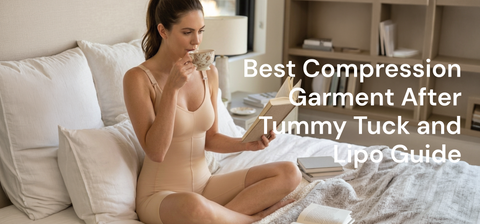

The honest answer, and everything you need to know to follow it.
If you just had surgery and you're already wondering how long you have to wear your faja, you're not alone. It's one of the most common questions patients ask after liposuction, a tummy tuck, a BBL, or any body contouring procedure. And while the honest answer is that your surgeon's instructions always come first, there's a general framework most patients follow that can help you understand what to expect.
Here's what we know after more than 15 years of making compression garments for post-surgical recovery.
The short answer
Most patients wear a faja for a minimum of 6 to 8 weeks after surgery. Some wear one for up to 6 months, depending on the procedure, their body's healing response, and their surgeon's recommendation. The timeline typically breaks into two distinct stages, each with a different type of garment.
Stage 1: The first 2 to 6 weeks
The first stage of recovery is the most intensive. Swelling is at its highest, your body is actively healing, and your garment is doing real work: applying consistent compression to reduce fluid buildup, support the treated areas, and help your skin conform to its new contour.
During this stage, most surgeons recommend wearing your faja 23 to 24 hours a day, removing it only to shower. This feels like a lot, and it is. But the compression during this window directly affects your final results and your comfort during the healing process.
Stage 1 garments are designed specifically for this phase. They typically feature zipper closures that make them easier to put on and take off when mobility is limited, which matters more than you'd expect in those first days after surgery. Isavela's Stage 1 bodysuits and girdles are built with padded zippers and a range of closure options so you can manage dressing independently, even early in recovery. [Shop Stage 1 collection]
Stage 2: Week 6 onward
Once the initial swelling has come down and your surgeon clears you to transition, you move into Stage 2. This phase is less intensive but still important. Your body is still reshaping, and consistent compression supports that process even when the most acute healing is behind you.
Stage 2 garments are pull-on, smoother, and designed to wear under everyday clothing. Many patients wear them for 12 or more hours a day during this phase, gradually reducing wear time as their surgeon advises. Isavela's Stage 2 line is designed to be low-profile enough to wear under work clothes, casual outfits, or anything else your daily life requires, without the bulk of an early-stage garment.
What affects how long you need to wear it
Wear time isn't one-size-fits-all. A few factors that genuinely affect your timeline:
The procedure. Liposuction to a smaller area typically has a shorter compression window than a full abdominoplasty or a BBL, which involves significant tissue repositioning. The more extensive the procedure, the longer consistent compression tends to matter.
How your body heals. Some patients swell more than others. Some retain fluid longer. Your surgeon will monitor this and adjust your timeline accordingly. There's no universal number that overrides what your own body is doing.
How consistently you wear it. Patients who wear their garment consistently, especially in Stage 1, tend to have smoother results and less prolonged swelling. Gaps in wear during the early weeks can slow the process. This isn't about being strict for its own sake, it's about the compression doing its job during the window when it matters most.
The garment itself. A garment that fits poorly, rides up, or creates pressure points doesn't just feel bad. It can affect results by applying uneven compression. This is why fit matters, not just compression level. Isavela garments are sized from XXS through 5XL and designed with surgical input so the compression is targeted, consistent, and actually comfortable to wear for extended periods. Explore Size Guide.
A note on compression levels
One thing worth clarifying: Stage 1 and Stage 2 don't refer to different levels of compression. They refer to different closure types designed for different phases of mobility. Stage 1 garments use zippers because you have limited mobility early in recovery. Stage 2 garments are pull-on because you have more range of motion later. The compression itself is consistent across both stages. This distinction matters because patients sometimes assume they need to "upgrade" to stronger compression as they heal, which isn't how it works.
When can you stop wearing a faja?
Most surgeons clear patients to stop wearing their faja somewhere between 8 weeks and 6 months post-op, with the average landing around 3 months for most procedures. The clearest signal you're ready: your surgeon says so, swelling has stabilized, and your skin feels settled rather than reactive when you go without the garment for a few hours.
Some patients choose to continue wearing light compression beyond their surgeon's minimum recommendation simply because it's comfortable and they feel better in it. That's a personal choice, not a medical one.
The bottom line
Wear your faja consistently during Stage 1, at least 6 to 8 weeks total for most procedures, and follow your surgeon's specific instructions above everything else. The garment is doing real work during that window, and consistency directly affects how comfortable and smooth your recovery feels.
If you're still figuring out which garment is right for your procedure and stage, Isavela's team is here to help.